
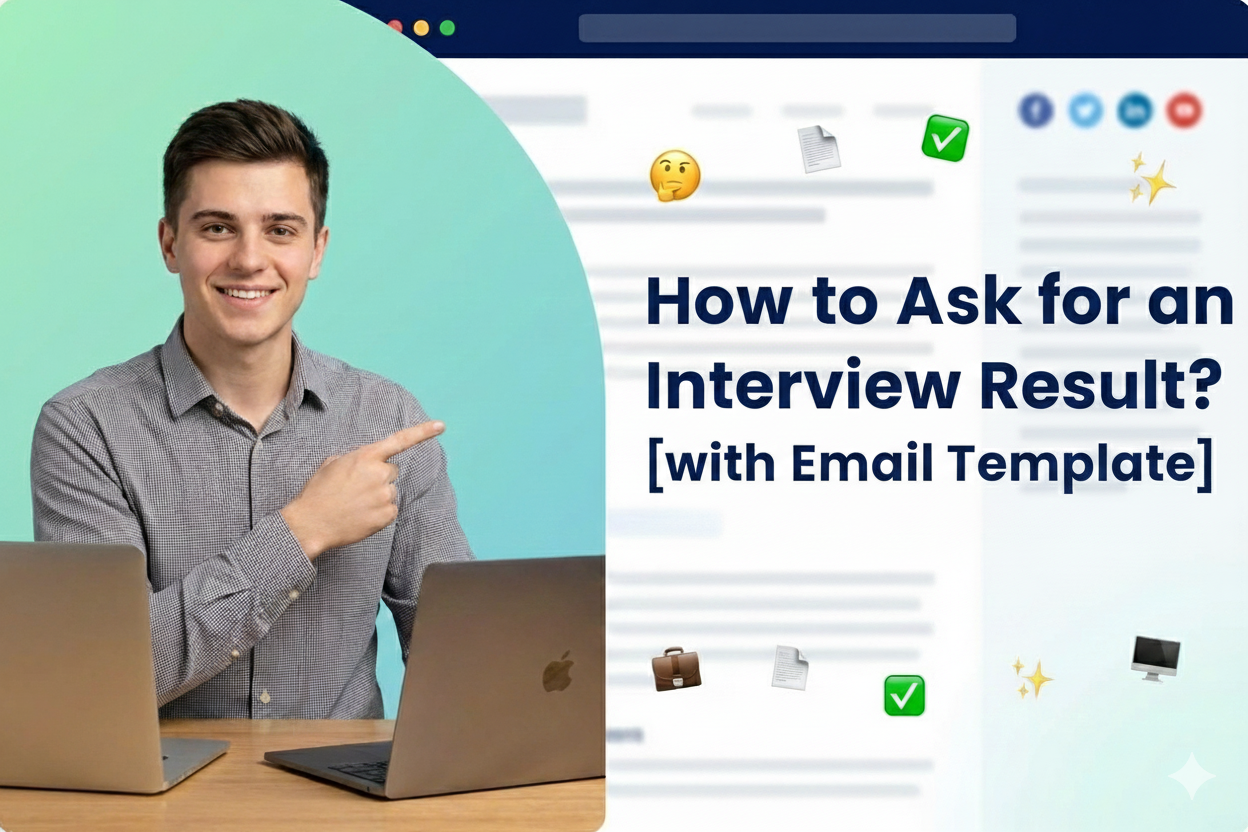
How to Ask for an Interview Result
Writing a resume should not feel confusing or stressful, yet many students, fresh graduates, and even experienced professionals struggle to create a clean, simple, and effective resume. The main reason is that most people search the internet, jump from one website to another, find complicated templates, and end up overwhelmed. Instead of getting clarity, they become more confused.
This detailed guide is written in simple and natural English, so every reader can understand how to write a resume step by step. Whether you are a student preparing your first resume, a fresh graduate applying for your first job, or a professional trying to improve your resume for better opportunities, this guide will help you build a resume that clearly shows your strengths, skills, and achievements.
This blog is also designed to support the mission of Energie Intelligent, a career platform that connects students and professionals with verified jobs, internships, scholarships, and global learning opportunities. Many students waste time searching online, but Energie Intelligent makes career growth simple by collecting real and updated opportunities in one place. The platform also publishes guides like this one to help users understand what recruiters expect and how to present themselves professionally.
This blog is more than a basic tutorial. It is a complete and detailed explanation of resume layouts, structure, formatting rules, writing techniques, professional standards, mistakes to avoid, and examples you can follow. By the end of this guide, you will feel confident enough to write your own resume without depending on any expensive service or confusing template.
Introduction
A resume is one of the most important documents in a person’s life. It is the first impression you make on an employer before they meet you. A strong resume helps you get interview calls, but a weak resume can make your application easy to ignore. Many talented people do not get good opportunities simply because they do not know how to write a proper resume.
This guide is written to solve that problem. It explains every part of resume writing in a practical and human-centered way. No complicated language. No unnecessary theories. Just clear and simple guidance that you can apply immediately.
Before we begin, it is important to understand one thing: a resume is not your life story. It does not need to include everything you have ever done. A resume is a short, clear, and well-organized document that highlights only the most relevant information based on the job you are applying for.
A good resume shows four things:
Who you are
What you can do
What you have done
Why are you suitable for the job
This guide will help you understand exactly how to do that.

Which Resume Layout Should I Opt For?
Choosing the right layout is the first step. Your layout decides how your information appears on the page, how the recruiter reads it, and how quickly they understand your strengths.
There are three main types of resume layouts:
Chronological Layout
Functional Layout
Combination Layout
Each layout has a purpose. Let us examine each one properly so you can decide which one suits you.
1. Chronological Layout
The chronological layout is the most common and widely accepted resume layout. This layout presents your most recent experience first and then moves backward.
This layout is ideal for:
People who have consistent work experience
People who have worked in the same industry
People who want to show career growth over time
Why this layout works:
Recruiters can quickly see what you are doing currently, what you recently achieved, and how your experience connects to the job.
This layout also helps when:
You want to highlight promotions
You have a stable work history
You have roles that show increasing responsibility
However, if someone has gaps in employment or is switching fields, this layout may not be the best choice.
2. Functional Layout
The functional layout focuses on your skills instead of your work history. It is useful when you do not want the recruiter to focus on your employment gaps or when your past roles do not match your current career goals.
This layout is ideal for:
Career changers
People with work breaks
Students and fresh graduates
Freelancers with skill-based projects
Why this layout works:
When your experience does not strongly connect to the job you want, the functional layout allows you to bring your skills forward. For example, if you learned digital marketing during a course but worked previously in a non-related job, the functional layout helps highlight what is relevant.
However, some recruiters prefer chronological layouts because they are standard. So, if you use a functional layout, make sure the skills you list are strong, meaningful, and supported by examples.
3. Combination Layout
The combination layout brings the best of both formats. It highlights your skills and also presents your work experience in an organized manner.
This layout is ideal for:
People who have both good experience and strong skills
People applying for senior roles
People who want to show specific strengths
People with mixed backgrounds
Why this layout works:
Recruiters get a clear view of your skills while also seeing your professional journey.
However, this layout can make the resume slightly longer, so make sure you keep it clean and simple.
Resume Structuring
A resume becomes powerful when it follows a clear and easy-to-read structure. Structure means the order in which you present your information. A clear structure helps the recruiter find what they need in seconds.
Below are the essential sections that every resume should include:
Contact Information
Professional Summary
Work Experience
Education
Skills
Employment History
Achievements
References
Let us discuss each one in detail.
Contact Information
This section appears at the very top. It must be short and simple.
Include:
Full Name
Phone Number
Email Address
LinkedIn Profile (optional but useful)
Location (city only)
Do not include:
Full address
Photo (unless required)
Age or marital status
Your contact information should be easy to read and error-free. Many candidates lose opportunities simply because of a wrong email address or incorrect phone number.
Professional Summary
Your professional summary is a short paragraph of three to five lines. It introduces you to the recruiter. Keep it simple, clear, and relevant.
A good summary answers:
Who you are
Your main skills
What experience do you bring
What value do you offer to the employer
Do not write your life story. Keep it focused on the job.
A strong summary makes a recruiter continue reading. A weak summary makes them skip your resume.
Work Experience
This is the heart of your resume if you have experience. List your experience in reverse chronological order (most recent first).
For each job, include:
Job title
Company name
Duration
Responsibilities
Achievements
Achievements matter more than responsibilities. Recruiters want to know what you achieved, not just what you were assigned.
Use simple and clear language. Your achievements should be understandable even to someone who is not from your field.
Education
List your degrees and certifications. Use reverse chronological order. Include:
Degree name
Institution name
Completion year
GPA (if it is strong)
Relevant coursework
Fresh graduates should highlight academic achievements, projects, and group work that show skills.
Skills
List skills that match the job. Do not list skills that you do not have. Keep your list neat and organized.
Types of skills:
Technical skills
Soft skills
Industry skills
Tools and software skills
Do not list skills like honesty or punctuality. Focus on skills that matter in the workplace.
Employment History
Add company names, job titles, and dates clearly. If you worked freelance, mention your clients or the nature of your projects.

Achievements
This section helps you stand out. Achievements show your strengths in action. Include awards, recognitions, completed certifications, and anything that shows excellence.
References
You can write:
“Available upon request.”
This is acceptable unless the employer specifically asks for names.
Resume Writing Format
A clean and simple resume format helps the recruiter read your document quickly. A good format includes:
One-page length
Clear headings
Enough white space
Simple fonts
Reverse chronological order
PDF format
Simple formatting helps your resume look professional.
Resume Writing Tips
Below are important tips to make your resume stronger:
Quantify achievements
Use keywords
Focus on the industry
Avoid long paragraphs
Use bullet points
Proofread everything
Save as PDF
Keep margins clean
Your resume should look balanced and easy on the eyes.
Mistakes to Avoid While Writing a Resume
Many candidates repeat the same mistakes. Avoid these:
Long resumes
Overstuffing with unnecessary details
Grammar errors
Outdated formats
Using fancy templates
Adding unrelated experience
Writing unclear job titles
Adding false information
A resume should be real, honest, and simple.
How Recruiters Read a Resume in Seconds
Most recruiters spend less than ten seconds scanning your resume. They look at:
Name
Job title
Summary
Recent experience
Skills
Achievements
If these are clear, you get shortlisted. If they look confusing, your resume is ignored.
How to Tailor Your Resume for Each Job
Never send the same resume everywhere. Change:
Summary
Skills
Keywords
Relevant experience
A tailored resume increases your chances.
Resume Examples and Deep Explanations
This section provides detailed examples of each part of a resume. The examples are written in simple language so you can understand the structure easily. (You may ask me to include full sample resumes if you want.)
Outbound Links for Extra Credibility and User Convenience
These links help readers explore more tools and resources while also improving your blog’s credibility and SEO. Google prefers articles that guide users toward helpful external sources, so including a few authoritative links strengthens your content.
Resume Action Verbs List
A simple list of action verbs you can use to make your resume clearer and direct:
https://www.indeed.com/career-advice/resume-samples/resume-action-verbs
LinkedIn Resume Writing Help
Basic resume guidance from LinkedIn’s official help center:
https://www.linkedin.com/help/linkedin/answer/1115
Free Resume Templates on Canva
Easy-to-edit resume templates for beginners and fresh graduates:
https://www.canva.com/resumes/templates
Free Skill-Building Courses on Coursera
Short online courses to help improve communication, writing, or technical skills:
https://www.coursera.org/courses
Grammarly for Checking Grammar and Clarity
A useful tool for proofreading your resume and fixing basic mistakes:
https://www.grammarly.com
Conclusion
A resume is your professional identity on paper. It must be clear, simple, and relevant. You do not need complex templates or fancy designs. You only need proper structure, clean format, and honest content.
Platforms like Energie Intelligent make your journey easier by offering verified jobs, internships, scholarships, and career guides. A strong resume, combined with real opportunities, helps you build a successful future.
Stay updated with the latest Job, Internship, Scholarship, and Course opportunities right here.
Explore More Opportunities
Stay updated with the latest:
Join our community and take your engineering career to the next level.

One Comment
Very Good Article and Very Helpful.